
Moth or Wasp

This is not a wasp.
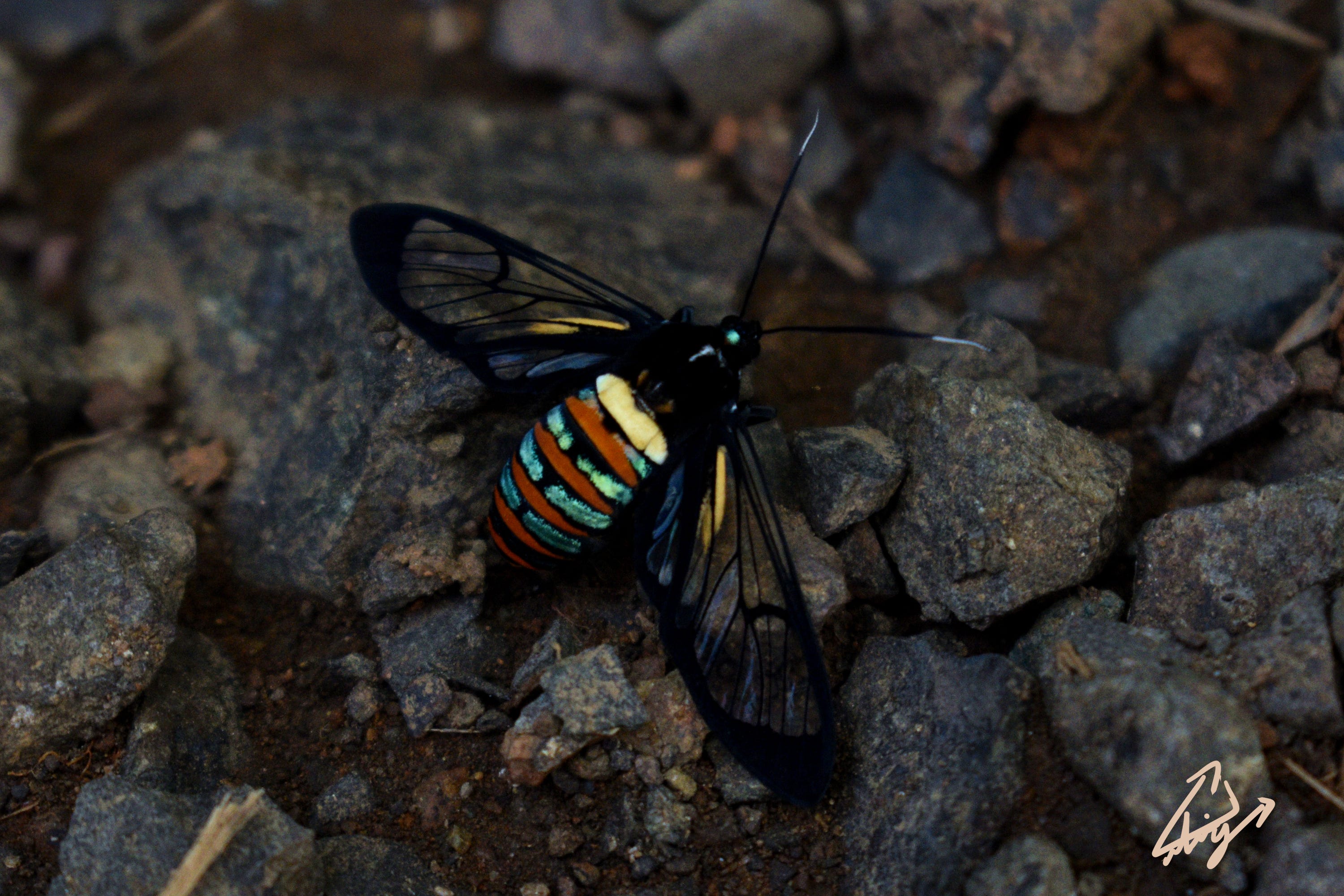
For a band of college students and entomologists this seemed hard to believe. With a brightly colored abdomen and four transparent wings it’s easy to be fooled. It didn’t help that we found it during the day in Costa Rica when moths are typically known for their appeareance during the night. Evolutionarily this insect was doing it’s job. It’s not a wasp, but it evolved to look like one and just like any would-be predator we were tricked.
This is a species of tiger moth or wasp moth (not sure which) which has developed the evolutionary strategy of mimicry. It’s not the only example of mimcry we saw on our expedition. We had come across many plant mimics —stick insects and leaf bugs— and batesian mimics —’non-poisonous’ dart frogs and bee flies—
When I found this moth I also thought it was a wasp at first, but then I got a bit of closer look.
Wasps are insects part of the order Hymenoptera which also includes ants, bees, and sawflies. While moths are part of the order Lepidoptera which includes butterflies and skippers. Both orders have some similarities lke four wings, complete metamorphosis, and all characteristics that other insects have in common.


Now lets talk about some of the key differences between the two which allowed us to identify the correct order.
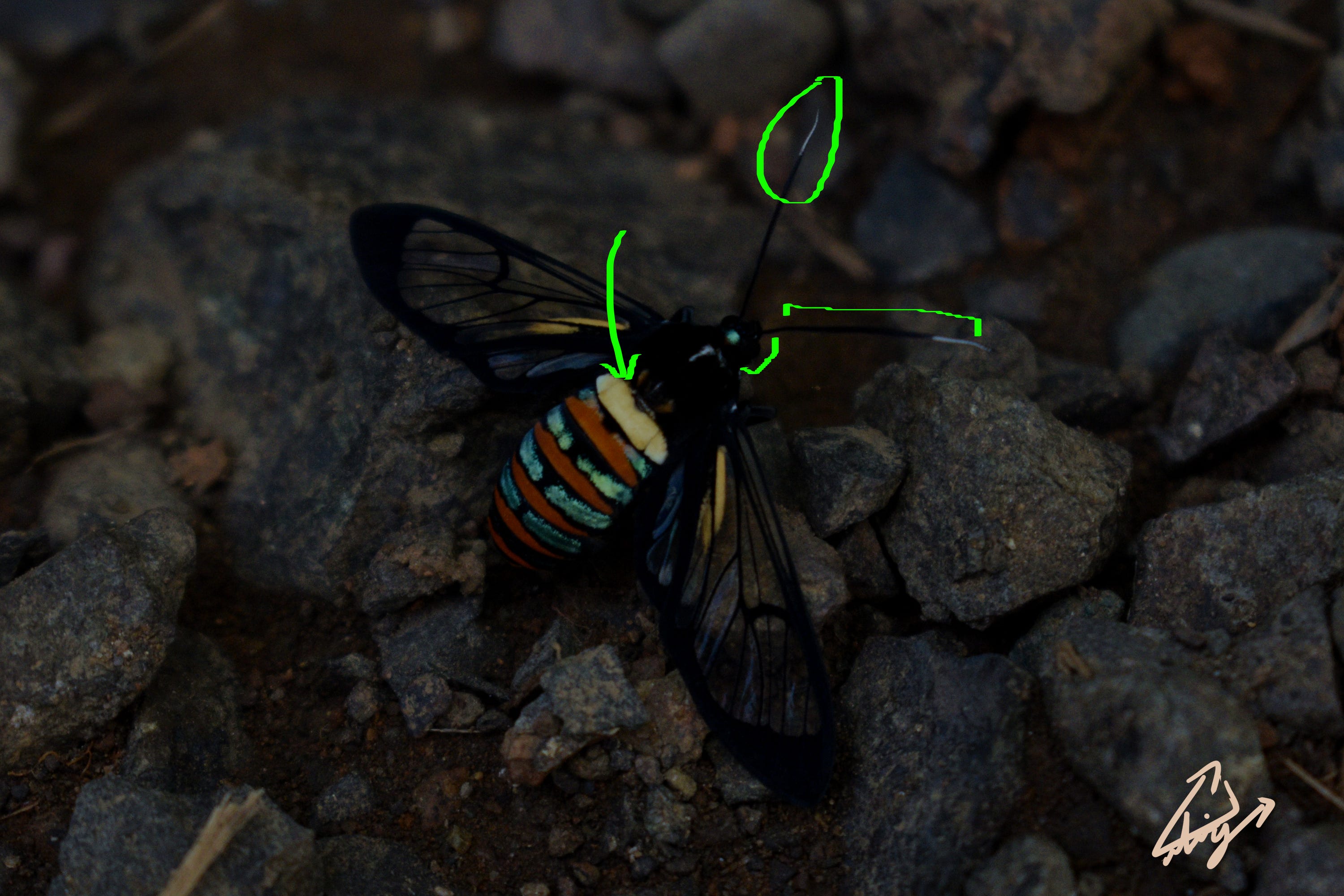
To start out the connection between the abdomen and thorax are different. Nicknamed “the waist,” Lepidoptera has one that is thick and the whole of that part of the body is shaped like a cigar.
For Hymenoptera “the waist” is tapered and the seperation is far more obvious.
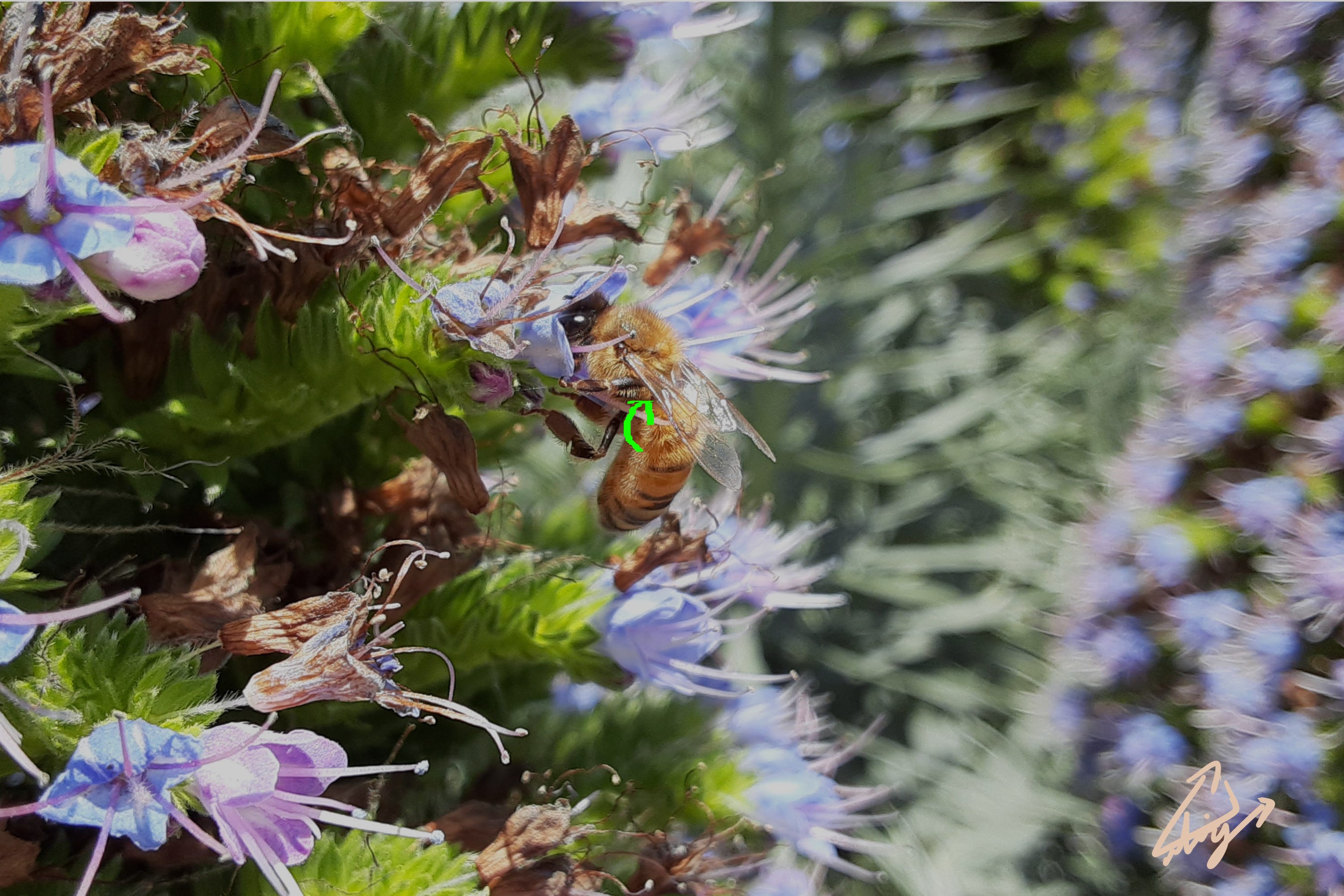
Another indicator is the antannae Hyemenoptera have segemented antannae.
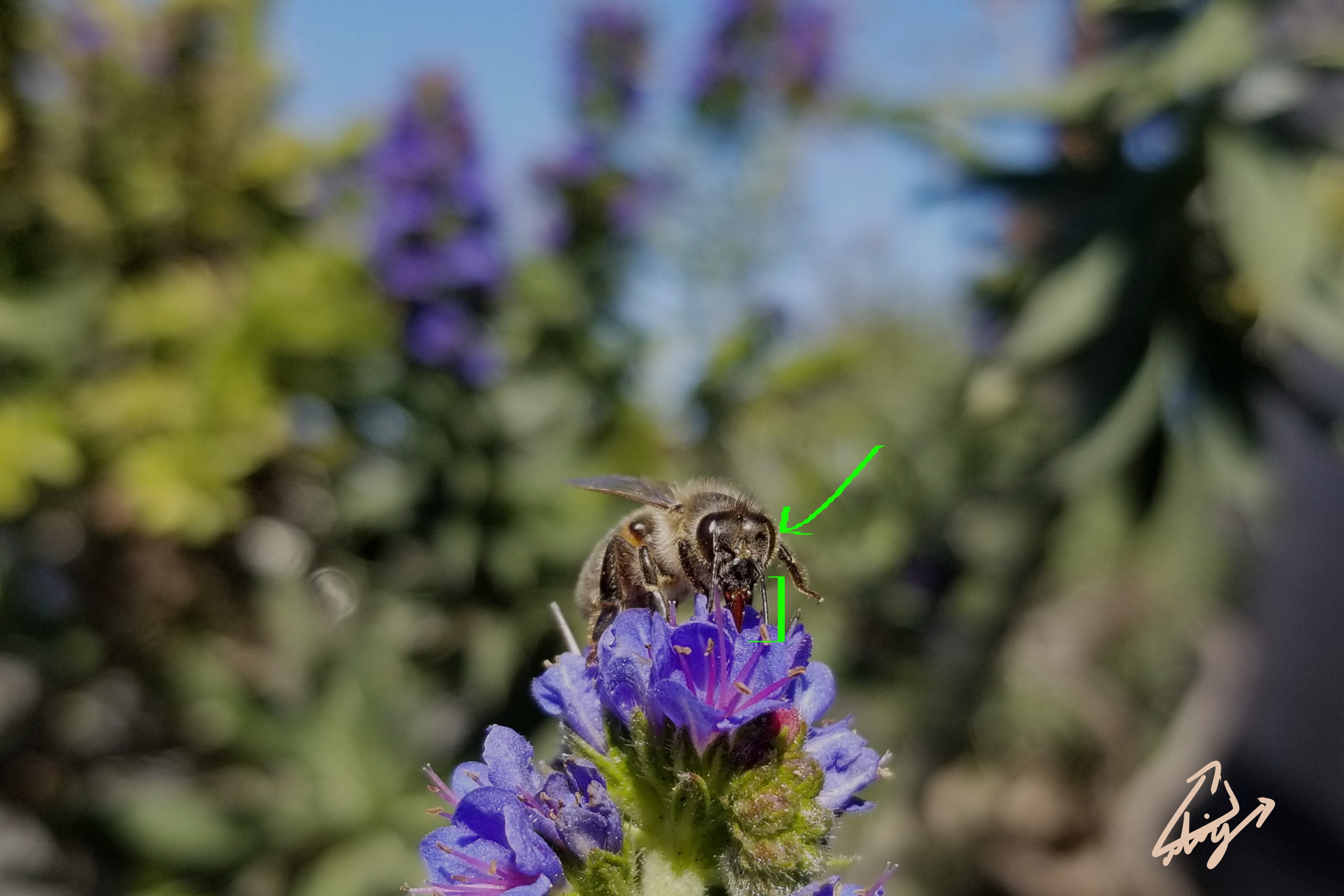
Lepidoptera have smooth antanneae which are slightly different depending on the group. Because of the smooth antannae we know that it is both not Hymneoptera and what group in Lepidoptera it belongs to. We know this because the ends of the antannae taper and don’t have bulbs at the end like butterflies or skippers.
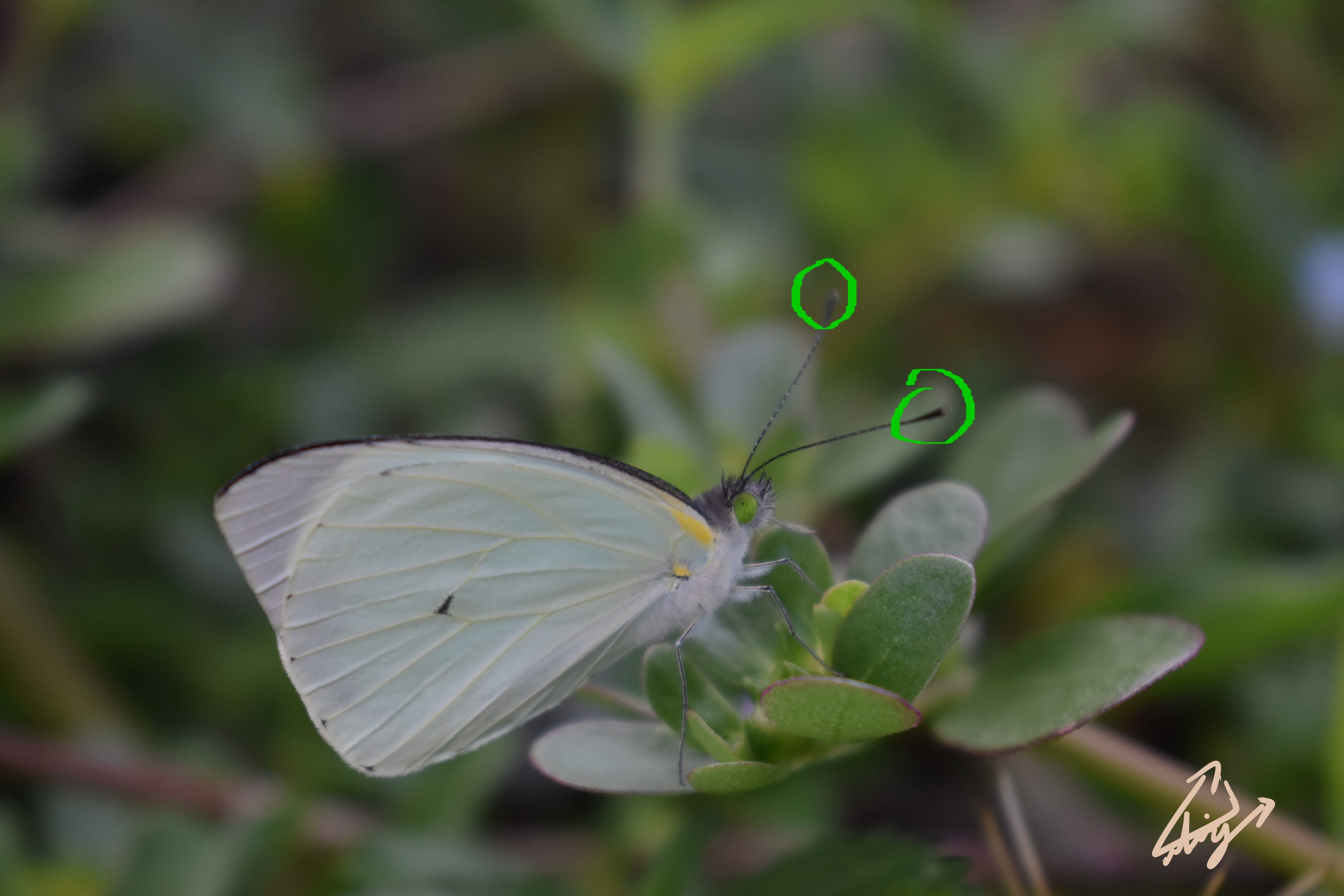
This little mystery is not quite wrapped up. While I was able to identify that it was a moth, I’m still unable to find exactly what species it is. I might send the image to an entomologist who specilizes in tropical moths if I can find one. We’ll see and I’ll update here if I can find my answer.